Child marriages, an under reported form of slavery
Allegations Raise Concern: Understanding Forced Marriage in NSW and Australia
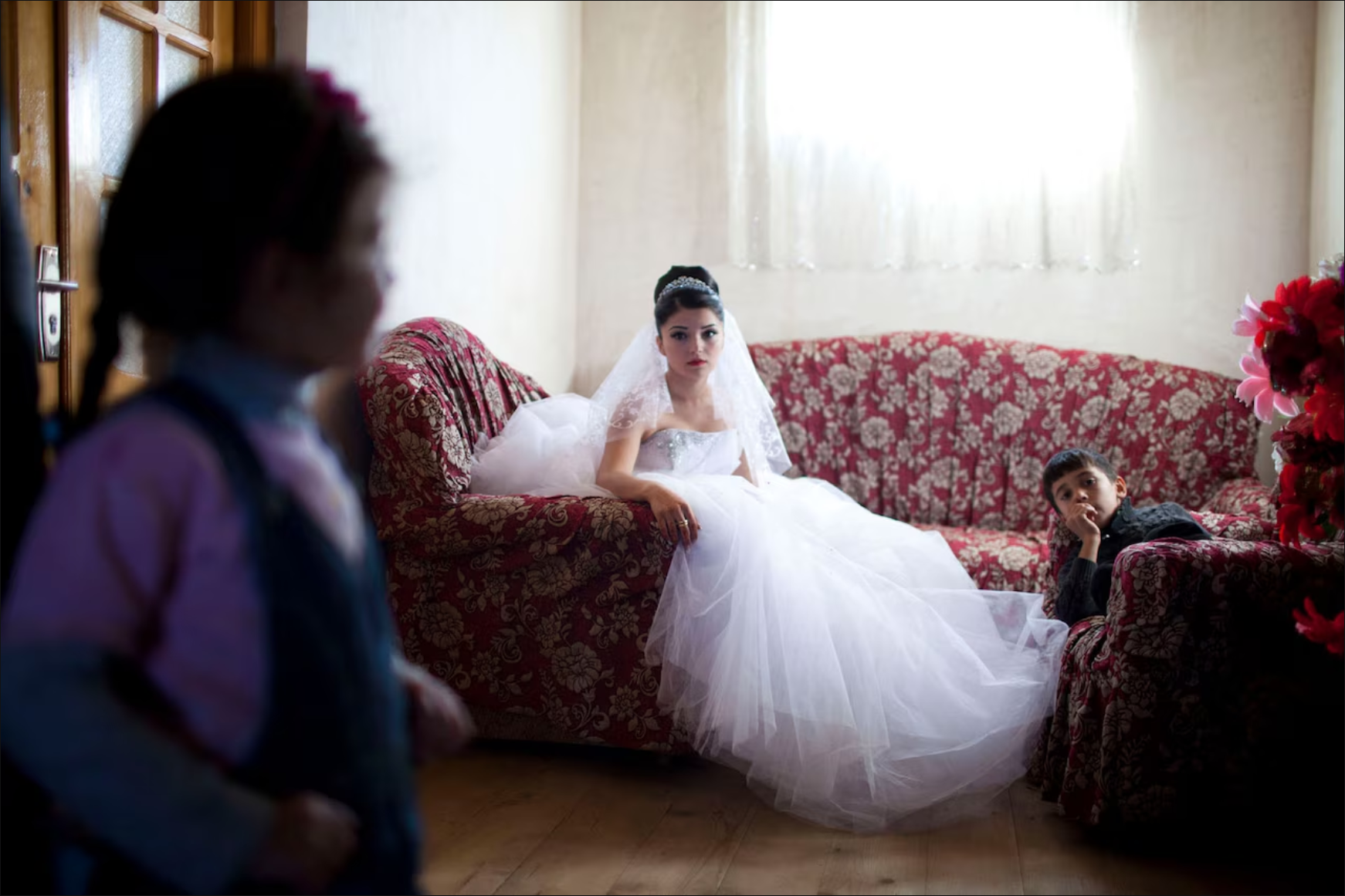
Recent reporting has brought renewed attention to allegations that 14 underage girls in New South Wales were forced into “marriage”. This has raised alarm over the claims, prompting broader public discussion about how forced marriage is identified, reported, and prevented.
While the specific allegations remain subject to investigation, the issue itself is not new. Forced marriage has been recognised as a serious violation of individual rights and a form of abuse in Australia for over a decade. Yet it remains significantly under-reported.
What is forced marriage?
Forced marriage occurs when a person is required to enter a marriage without their free and full consent. Consent must be genuine. If a person is pressured, threatened, deceived, intimidated, or otherwise coerced into marrying, that is not consent.
A child under 18 cannot legally marry in Australia as stipulated in the Marriage Act 1961 (Cth). As such, it is an offence for a person to engage in an act of marriage to an individual that is not of minimum legal age. Under the same Act it is also an offence for a member of the clergy or any other person to solemnise a marriage, if they have knowledge that even one person is not of marriageable age. In very limited circumstances, however, a 16- or 17-year-old may marry, but only with both parental consent and court approval. Even then, the court must be satisfied that the marriage is in the young person’s best interests.
Under the Criminal Code Act 1995 (Cth), forced marriage is a criminal offence. Any person that has engaged, enabled or encouraged a marriage between two people who do not meet the minimum marriageable age and/or does not freely and fully consent to the marriage, can be prosecuted under this Act. This means wedding planners, family, friends, celebrants at the wedding are liable for prosecution. Likewise, forced marriages can also be considered a form of domestic abuse against the child under the Family Law Act 1975 (Cth).
It is important to note that forced marriage does not have to only involve physical force. Emotional pressure, cultural expectations, financial dependency, or threats of ostracism can all play a role and are considered forms of coercion. As past commentary from legal and community bodies has noted, many victims do not immediately identify their situation as unlawful, particularly where coercion is subtle or framed as “family duty”.
Australia updated its anti-trafficking laws in 2012 to more align them with international standards with the Crimes Legislation Amendment (Slavery, Slavery-like Conditions and People Trafficking) Act 2013 (Cth). Under this Act, forced marriages can be viewed as a form of slavery, and penalties may be levied on any person involved. This is because, this Act expanded definitions on both ‘coercion’ and ‘condition similar to slavery’. These expansions resulted in the inclusion of forced marriages as a form of slavery-like conditions and people trafficking.
Child Protection and Consent
In New South Wales, the age of consent for sexual activity is 16. However, marriage is subject to separate and stricter rules. The law distinguishes between lawful relationships between consenting adults and situations involving minors, coercion, or exploitation.
Where underage individuals are involved, the matter may also intersect with child protection laws such as Children and Young Persons (Care and Protection) Act 1998 (NSW) and the Crimes Act 1900 (NSW). Agencies such as the Department of Communities and Justice recognise forced marriage as a form of abuse and provide pathways for intervention and support.
Why forced marriage remains under-reported
Forced marriage is often hidden. Victims may fear bringing shame upon their family, losing housing or financial support, or facing community backlash. In some cases, immigration status or misinformation about legal consequences can prevent individuals from seeking help.
As a result, the number of reported cases may not reflect the true scale of the issue. Allegations such as those recently reported serve as a reminder that vigilance is necessary.
Public discourse often associates child exploitation and trafficking with overseas contexts. While international exploitation is a grave concern, it is critical to recognise that child exploitation, coercion, and forced marriage can and do occur within Australia.
Our position
Voice Lawyers has consistently taken a firm stance against child exploitation, trafficking, and domestic violence. The firm has long supported Destiny Rescue, an organisation working internationally to rescue children from exploitation and trafficking and to assist in prevention efforts.
Supporting organisations such as Destiny Rescue reflects a broader commitment to a better future by Voice Lawyers by protecting vulnerable individuals. We acknowledge that exploitation is not confined to any one region or community. Australia is not immune. Allegations such as those recently raised reinforce the importance of legal protections, community awareness, and access to support.
Combatting exploitation requires both local awareness and global commitment. We encourage you to support Destiny Rescue and the important work they undertake in preventing child trafficking and exploitation abroad.
For those who may be affected by forced marriage or related forms of coercion, help is available. If you or someone you know requires legal support in relation to forced marriage or family violence matters, call us on 02 9261 1954 or peruse our website for more information.